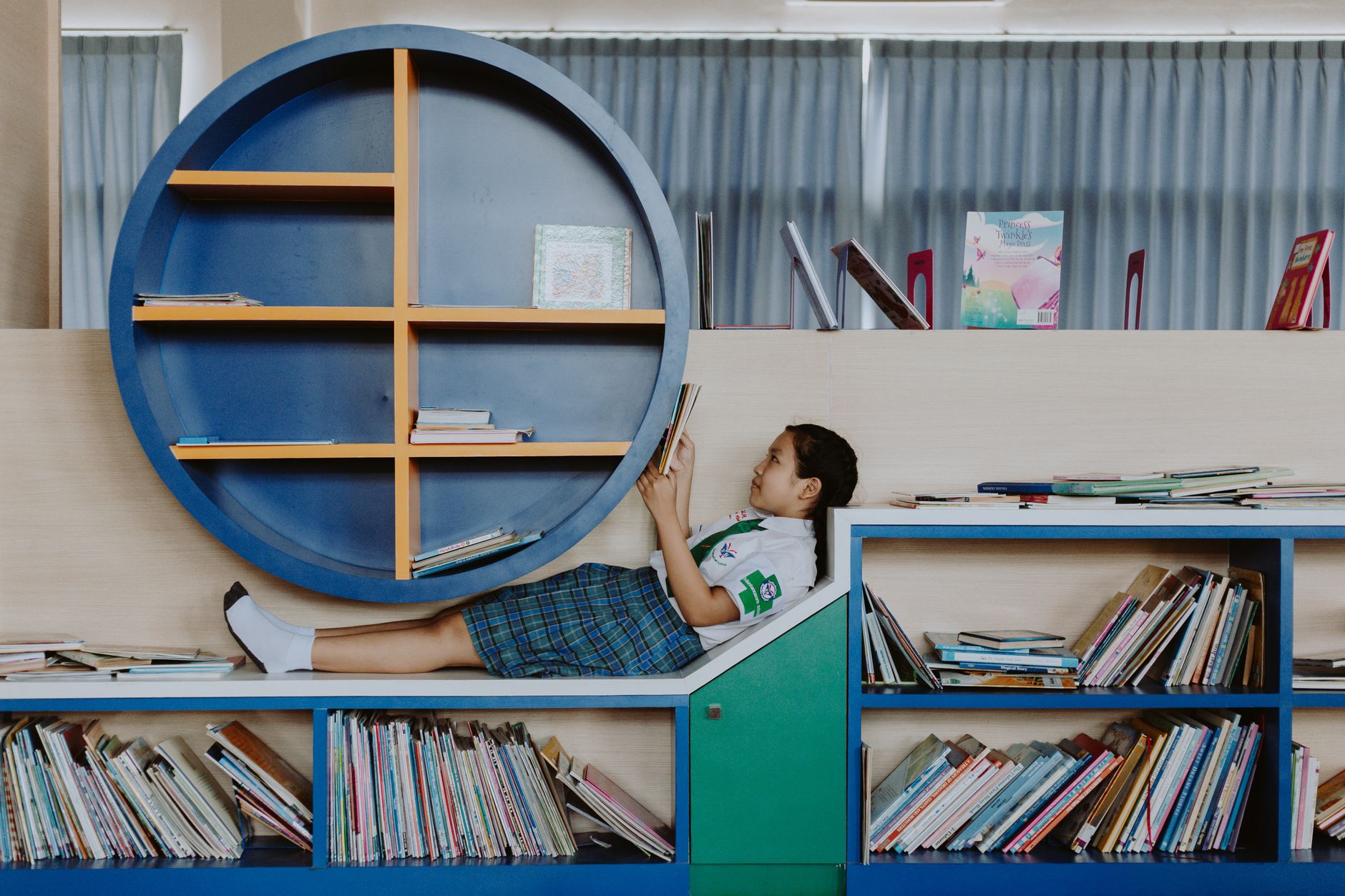
Every teacher knows the magic of a well-stocked classroom library. When students have easy access to books they love, reading stops feeling like a chore and starts feeling like a treat. But between tight school budgets and the rising cost of new books, building that library can seem impossible.
The good news? You do not need thousands of dollars to create a reading corner your students will adore. With a little creativity and some smart strategies, you can fill your shelves with wonderful books without emptying your wallet. Let’s explore practical, proven ways to build a classroom library on a budget.
Start With What You Already Have
Before you spend a single dollar, take inventory of the books already in your possession. Many teachers forget about the hidden treasures sitting in storage closets, filing cabinets, and their own homes.
- Check your school’s book room. Many schools have forgotten storage areas filled with discarded or extra books.
- Ask retiring teachers. Educators leaving the profession often give away their entire collections.
- Look at home. Your own childhood favorites or your children’s outgrown books can find a new life in your classroom.
- Sort and organize. Even a small collection, neatly displayed, feels inviting to young readers.
Once you know what you have, you can target your efforts toward filling the gaps rather than starting from zero.
Free and Nearly Free Book Sources
There are more free book resources out there than most teachers realize. The key is knowing where to look and being willing to ask.
Community and Library Programs
Public libraries frequently hold used book sales where paperbacks sell for a quarter or fifty cents. Many libraries also run summer reading programs that give away free books to children, and some will donate surplus copies to local teachers who ask politely.
Donation Drives and Book Swaps
Organize a book drive in your neighborhood, church, or community center. Families are often happy to donate gently used children’s books. You can also host a classroom book swap where students bring a book from home and trade it for a “new” one.
Online Freebies
- Freecycle and Buy Nothing groups often list children’s books at no cost.
- First Book and similar nonprofits provide free or deeply discounted books to schools serving low-income communities.
- Publishers’ giveaways sometimes offer free classroom sets during promotional events.
Smart Ways to Stretch Every Dollar
When you do spend money, make it count. A few strategic purchases can go a long way toward building a library that lasts.
Shop Used and Discounted
Thrift stores, garage sales, and library sales are goldmines for affordable books. Online marketplaces like eBay and ThriftBooks often sell used children’s books for just a few dollars each. Scholastic book clubs and warehouse sales also offer significant discounts, especially when you accumulate points through student orders.
Use Grant Money and DonorsChoose
Many teachers fund their libraries through small grants. DonorsChoose allows you to post a project and receive donations from strangers who want to support classrooms. Local education foundations, rotary clubs, and parent-teacher organizations also offer mini-grants for literacy projects. Do not be shy about applying — these funds exist precisely for teachers like you.
Host a Scholastic Book Fair
If your school allows it, hosting a book fair can earn your classroom free books through Scholastic Dollars. Even a small fair can generate enough credit to fill several shelves.
Make the Most of a Small Collection
A classroom library is not measured by quantity alone. How you organize and present your books matters just as much as how many you own.
- Display books face-out. Students are more likely to pick up a book when they can see the cover.
- Rotate your selection. Swap books in and out every few weeks to keep the collection feeling fresh.
- Create cozy reading spots. A rug, some pillows, and good lighting transform a corner into a reading haven.
- Include diverse genres. Picture books, chapter books, graphic novels, nonfiction, and poetry all deserve a place on your shelves.
Remember, a smaller, well-curated collection often serves students better than a massive, disorganized pile.
Involve Students and Families
When students feel ownership of the classroom library, they take better care of it and read more from it. Let them help choose themes, arrange displays, and recommend books to classmates.
Families can also play a role. Send home a simple note explaining that you welcome book donations, and you may be surprised by the response. Some parents will clean out their shelves; others may offer to help you organize or even fund a small purchase.
Keep It Growing Over Time
Building a classroom library is not a one-time project — it is an ongoing journey. Add a few books each month, watch for sales, and stay connected with literacy organizations. Over a few years, your modest collection can grow into something truly special.
Most importantly, celebrate every new addition with your students. Each book is a new adventure waiting to be opened, and every reader you nurture is a victory worth celebrating.
Your Next Step
You do not need a big budget to build a classroom library that inspires young readers. Start with what you have, tap into free resources, spend wisely, and get your students and community involved. Little by little, your shelves will fill up — and so will your students’ love of reading.
Ready to get started? Pick one strategy from this article and try it this week. Whether it is asking a retiring teacher for books or posting your first DonorsChoose project, one small step today can lead to a thriving classroom library tomorrow. Happy reading!