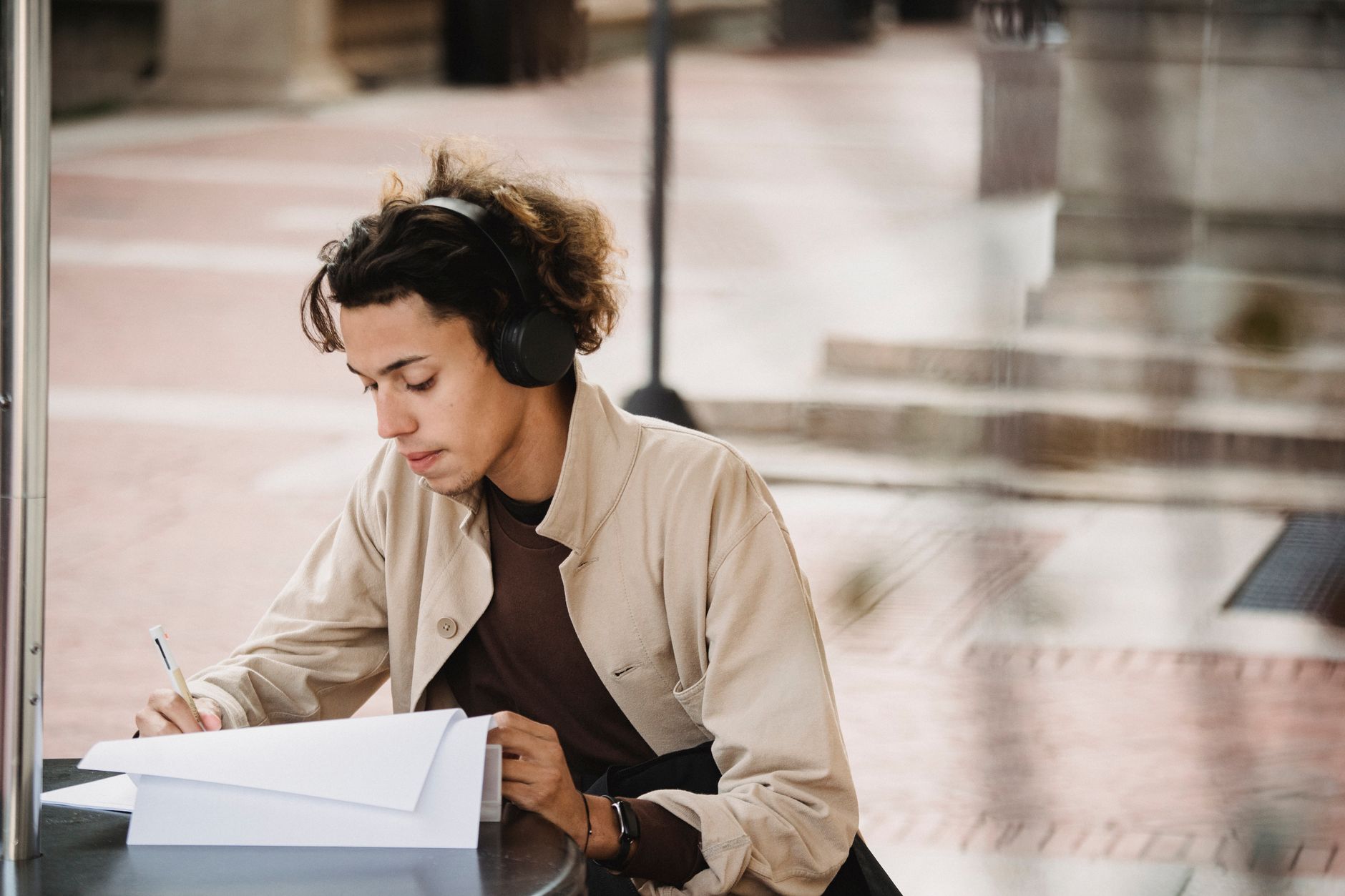
In a world the place screens dominate consideration, listening has turn into a quietly endangered ability. But listening comprehension sits on the coronary heart of literacy — it’s the bridge between listening to phrases and actually understanding them. Podcasts supply a recent, partaking, and surprisingly easy strategy to rebuild that bridge for college students of all ages.
Whether or not you train in a classroom, homeschool your kids, or just wish to help a struggling reader, podcasts can rework passive listening into energetic studying. Let’s discover why they work and tips on how to use them successfully.
Why Podcasts Are a Highly effective Literacy Device
In contrast to movies, podcasts take away visible cues. College students should rely fully on voice, tone, pacing, and context to assemble that means. That problem builds real listening stamina.
Analysis in literacy training persistently reveals that robust listening comprehension predicts robust reading comprehension. When college students observe understanding spoken language, they strengthen the identical psychological muscular tissues used to decode and interpret textual content.
Podcasts additionally supply distinctive benefits:
- Genuine language: College students hear pure speech, contractions, and diverse accents.
- Versatile pacing: Many apps let listeners decelerate or velocity up playback.
- Excessive curiosity: With 1000’s of subjects, there’s something for each learner.
- Low strain: No decoding calls for means struggling readers can focus purely on that means.
For English language learners, podcasts present repeated, controllable publicity to spoken English — a profit that textbooks hardly ever match.
Selecting the Proper Podcasts for Your College students
Not each podcast fits each learner. Choice issues as a lot because the exercise itself. Begin by matching content material to age, curiosity, and language stage.
For Youthful College students (Grades Okay–3)
Search for quick episodes with clear narration, sound results, and easy storylines. Story-based podcasts and bedtime tales work fantastically right here. Episodes ought to run beneath ten minutes to match quick consideration spans.
For Elementary and Center Faculty (Grades 4–8)
That is the candy spot for podcasts. Thriller reveals, science explorations, and “do you know” codecs spark curiosity whereas constructing vocabulary. Ten to twenty minute episodes are ultimate.
For Excessive Faculty and Past
Older college students can deal with interview codecs, narrative journalism, and debate-style reveals. These construct important considering alongside listening expertise. Think about podcasts tied to present occasions or subjects they’re learning.
A fast tip: all the time preview an episode earlier than sharing it. Test the tempo, vocabulary, and content material appropriateness. A five-minute preview saves loads of classroom confusion.
Sensible Actions to Construct Listening Comprehension
Merely urgent play just isn’t sufficient. The magic occurs when listening turns into an energetic, purposeful activity. Listed below are methods that work throughout grade ranges.
1. Pre-Listening Predictions
Earlier than taking part in, share the episode title and a one-line abstract. Ask college students to foretell what they are going to hear. This prompts prior data and provides their brains a framework for brand new info.
2. Guided Listening Notes
Present three to 5 focus questions earlier than listening. College students jot temporary notes as they hear. Hold it gentle — the purpose is consideration, not transcription.
3. Cease-and-Discuss Pauses
Pause at key moments and ask: What simply occurred? What do you assume comes subsequent? Why did the speaker say that? These fast check-ins reveal comprehension gaps in actual time.
4. Submit-Listening Response
After the episode, college students can:
- Summarize the principle concept in two sentences
- Draw a scene or idea from the episode
- Write three new phrases they heard and guess their meanings
- Talk about a query with a accomplice
These duties join listening to talking, writing, and vocabulary — a full literacy exercise.
5. Repeated Listening
Replay quick segments. Every cross reveals new particulars. This mirrors how we reread troublesome texts to deepen understanding. Repetition just isn’t wasted time; it’s the place fluency grows.
Making Podcasts a Common Behavior
Consistency beats depth. A ten-minute podcast session twice every week will do greater than an hour-long marathon as soon as a month. Construct listening into your routine the best way you construct studying time.
Think about these easy buildings:
- Podcast Mondays: Begin the week with a brief episode and dialogue.
- Listening facilities: Arrange a tool station throughout literacy rotations.
- Household listening: Ship residence a beneficial episode for automotive rides or dinner discuss.
- Scholar alternative: Let learners decide from a curated playlist to spice up motivation.
Monitor progress informally. Discover when college students catch particulars, ask sharper questions, or join episodes to different studying. That development is the actual reward.
One warning: keep away from turning podcasts into one other worksheet. The enjoyment of listening is a part of its energy. Steadiness structured duties with relaxed, curious listening.
Remaining Ideas: Listening Is a Ability Price Educating
Listening comprehension doesn’t develop by chance. It grows by means of deliberate observe, wealthy content material, and considerate steerage. Podcasts make that observe accessible, reasonably priced, and genuinely pleasant.
They meet college students the place they’re — on the go, curious, and able to hear a great story. All we have now to do is press play and ask the proper questions.
Prepared to begin? Decide one podcast this week, preview a brief episode, and take a look at a single pre-listening query together with your college students. Small steps construct robust listeners — and robust listeners turn into robust readers. Your subsequent literacy breakthrough may be only one episode away.

Education writer and literacy advocate specializing in early reading instruction, K–3 literacy policy, and evidence-based learning strategies. Dedicated to sharing practical insights on the Science of Reading, literacy coaching, and instructional resources to support educators, parents, and communities in improving student reading achievement.
[…] this information, we are going to discover sensible, classroom-tested methods for teaching notice taking expertise that genuinely enhance studying retention. Whether or not you’re a […]
[…] students learn, write, and suppose. As a content material space instructor, you aren’t simply teaching science, historical past, or math. You might be additionally educating college students methods to […]