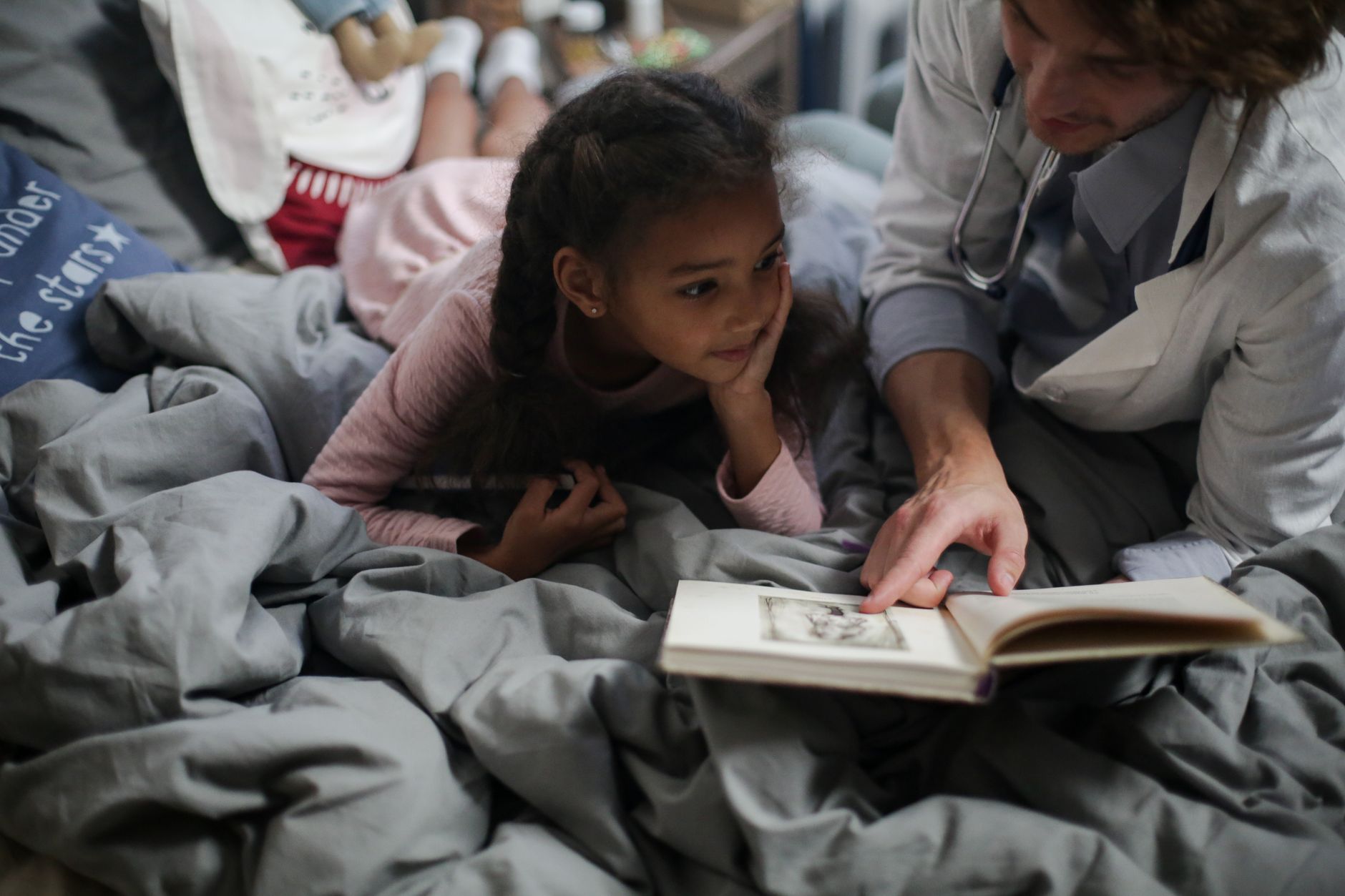
Every parent knows the magic of a bedtime story. That quiet moment, the soft turn of a page, the way a child’s eyes light up when a favorite character returns — these are memories that last a lifetime. But beyond the warm feelings, reading daily builds something even more powerful: a lifelong habit that shapes vocabulary, imagination, and academic success.
The challenge? In a world of screens, busy schedules, and endless distractions, getting kids to read every day can feel like a battle. The good news is that building a daily reading habit doesn’t require perfection or pressure. It requires consistency, creativity, and a little patience. Let’s explore how you can make reading a natural, joyful part of your child’s everyday life.
Why Daily Reading Matters More Than You Think
Reading isn’t just a school skill — it’s a life skill. Research consistently shows that children who read for just 20 minutes a day are exposed to nearly 1.8 million words per year. That exposure translates into stronger vocabulary, better comprehension, and improved writing abilities.
But the benefits go beyond academics. Daily reading also:
- Builds empathy by letting children experience lives and perspectives different from their own.
- Reduces stress and creates a calming routine, especially before bedtime.
- Strengthens the parent-child bond when reading becomes a shared activity.
- Improves focus and attention span in an age of constant stimulation.
When reading becomes a habit rather than a chore, children don’t just learn to read — they learn to love reading. And that love is what carries them through school and into adulthood.
Start Small: The Power of Tiny, Consistent Steps
One of the biggest mistakes parents make is aiming too high too soon. If you announce that your child must read for an hour every day, you’re setting everyone up for frustration. Instead, start with something so small it feels almost too easy.
Try these beginner-friendly approaches:
- Begin with 5–10 minutes a day. Even a short session builds momentum.
- Pick a consistent time. Right after dinner or just before bed works well for most families.
- Let your child choose the book. Ownership breeds enthusiasm.
- Celebrate every completed session. A sticker chart or a simple high-five can go a long way.
The goal isn’t volume — it’s consistency. A child who reads for ten minutes every day will build a stronger habit than one who reads for an hour once a week.
Make It a Routine, Not a Rule
Habits stick when they’re tied to existing routines. If your family already has a nightly wind-down ritual, slip reading into that slot. The brain loves patterns, and soon your child will associate reading with comfort and predictability.
Create a Reading-Friendly Environment
Environment shapes behavior. If books are hidden away on a high shelf, they’ll be forgotten. But if reading materials are visible, accessible, and inviting, children are far more likely to pick them up on their own.
Here’s how to set the stage:
- Build a cozy reading nook. A beanbag, a soft blanket, and good lighting can turn any corner into a reading haven.
- Keep books within reach. Low shelves or baskets in the living room make books part of daily life.
- Rotate your collection. Swap books every few weeks to keep things fresh and exciting.
- Limit screen time during reading hours. A quiet, distraction-free space helps focus.
Don’t forget the power of modeling. Children copy what they see. When they watch you reading for pleasure, they internalize that reading is a normal, enjoyable part of life — not just something kids are forced to do for homework.
Make Reading Interactive and Fun
For many children, passive reading feels boring. The trick is to turn reading into an experience. When kids engage with a story — talking about it, acting it out, asking questions — they stay motivated and curious.
Try these interactive strategies:
- Ask open-ended questions. “What do you think will happen next?” or “How would you feel if you were that character?”
- Use voices and sound effects. Silly voices make stories memorable and fun.
- Act out scenes. A little drama turns reading into play.
- Connect books to real life. Read about animals before a zoo trip, or cook a recipe from a story.
- Let them “read” to you. Even if they’re just describing pictures, it builds confidence.
When reading feels like play rather than performance, children stop seeing it as a task and start seeing it as a treat.
Embrace Different Formats
Not every child learns the same way. Some love physical books, others prefer audiobooks, and some thrive with graphic novels or magazines. All reading counts. Don’t dismiss comics or e-books as “not real reading” — they build the same literacy muscles and often hook reluctant readers.
Overcome Common Obstacles
Even the best-laid plans hit bumps. Here are some common challenges and how to handle them:
- “My child says reading is boring.” Try a different genre — humor, adventure, or nonfiction about their favorite topic.
- “We’re too busy.” Pair reading with an existing routine, like waiting for dinner or riding in the car (audiobooks count!).
- “My child struggles with reading.” Choose easier books to build confidence, and consider talking to a teacher or literacy specialist.
- “They only want screens.” Set clear limits and offer books as a desirable alternative, not a punishment.
Patience is key. Some children take to reading instantly; others need months of gentle encouragement. Stay consistent, stay positive, and avoid turning reading into a power struggle.
Lead by Example and Keep It Positive
Your attitude matters more than any strategy. If reading feels like a punishment or a chore, kids will resist. If it feels like a privilege — a special, cozy, exciting part of the day — they’ll come back for more.
Read alongside your child. Talk about what you’re reading. Visit the library together. Let them see that books bring you joy. Over time, that enthusiasm becomes contagious.
Remember: the goal isn’t to raise a child who reads perfectly. It’s to raise a child who reaches for a book because they want to — not because they have to.
Final Thoughts: Small Habits, Big Futures
Creating a daily reading habit in kids doesn’t happen overnight, and it doesn’t require elaborate systems. It requires small, consistent steps, a welcoming environment, and a whole lot of patience and positivity. Start with just ten minutes a day. Let your child choose the book. Make it fun, make it cozy, and make it a routine.
Every page turned is a seed planted. And with time, those seeds grow into confident readers, curious thinkers, and lifelong learners.
Ready to start tonight? Pick up a book, find a comfy spot, and share a story with your child. Your daily reading adventure begins with a single page — and it starts today.