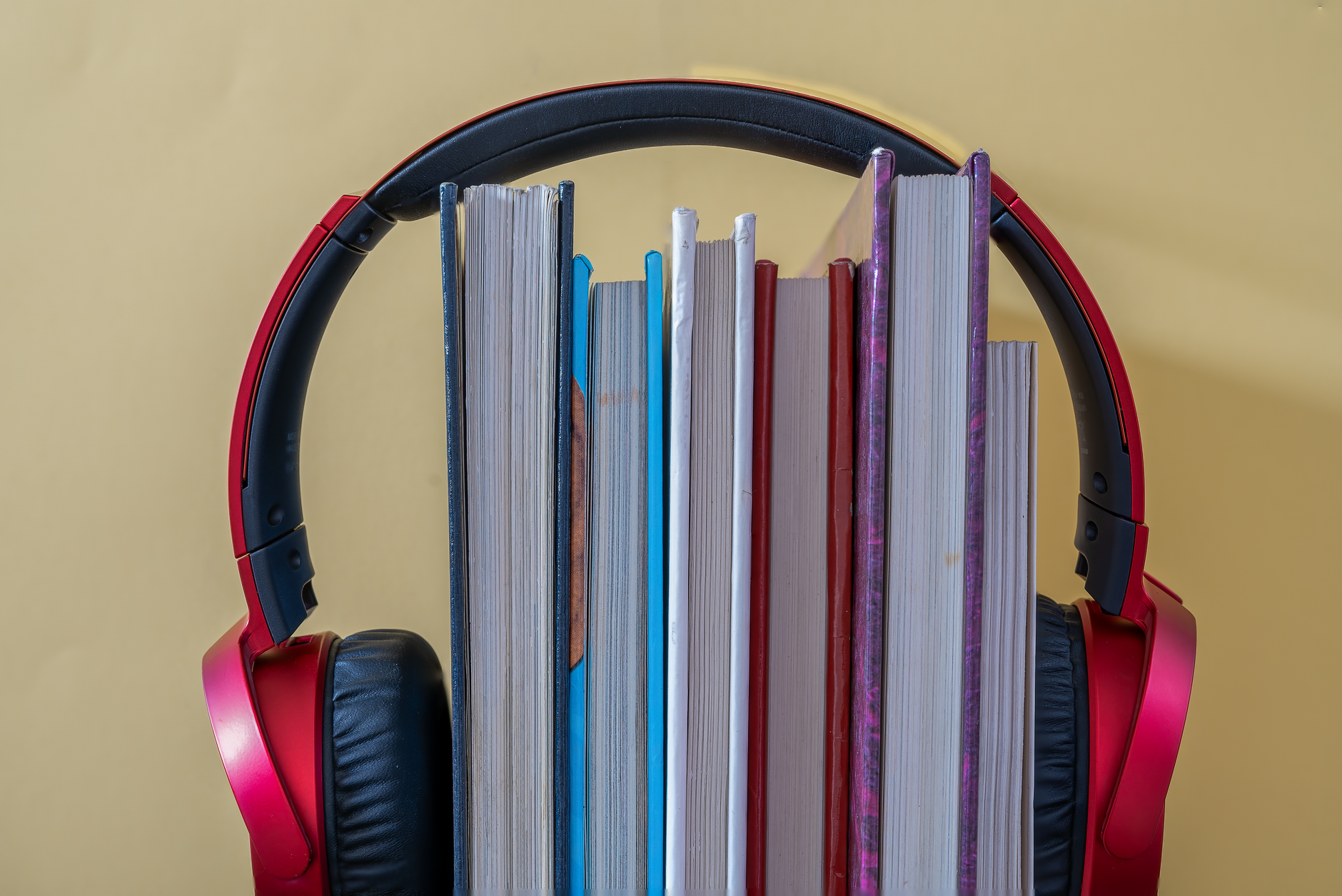
Can listening to a narrative actually assist a toddler turn into a greater reader? It sounds virtually too simple, but a rising physique of analysis and classroom expertise says sure. Audiobooks have moved from being a distinct segment accessibility instrument to a mainstream literacy useful resource present in houses, colleges, and public libraries in every single place.
However do they genuinely strengthen reading comprehension, or do they merely entertain youngsters whereas bypassing the laborious work of decoding textual content? The reply is extra nuanced than a easy sure or no. On this article, we’ll discover how audiobooks affect comprehension, the place they assist most, and the way dad and mom and lecturers can use them properly.
What Studying Comprehension Really Includes
Earlier than judging whether or not audiobooks assist, it helps to know what comprehension requires. Studying is just not one ability however two working collectively: decoding (turning printed letters into phrases) and language comprehension (understanding what these phrases imply).
For a lot of younger kids, decoding is sluggish and effortful. When all their psychological power goes into sounding out phrases, little is left for making sense of the story. That is the place audiobooks enter the image in a robust method.
- Decoding — recognizing phrases precisely and fluently
- Vocabulary — understanding what particular person phrases imply
- Background information — connecting textual content to what a toddler already is aware of
- Inference — studying between the strains to understand which means
Listening comprehension develops sooner than studying comprehension in most kids. Audiobooks let youngsters apply the considering facet of studying earlier than their decoding abilities absolutely catch up.
How Audiobooks Help Comprehension
When a toddler listens to a talented narrator, a number of issues occur directly. Pronunciation turns into clear, phrasing sounds pure, and emotional tone brings characters to life. These cues could make advanced tales extra accessible than print alone.
1. They Construct Vocabulary and Language Patterns
Kids who take heed to audiobooks are uncovered to richer vocabulary than they may encounter in on a regular basis dialog. Listening to phrases in context helps them take up which means, sentence construction, and rhythm — all of which feed immediately into studying comprehension later.
2. They Cut back Cognitive Overload
For struggling readers, audiobooks take away the burden of decoding. This frees working reminiscence for understanding plot, characters, and concepts. A baby who feels misplaced in a print e-book could out of the blue comply with the identical story with ease when listening.
3. They Mannequin Fluent Studying
Fluent studying sounds easy and expressive. Audiobooks display this naturally, educating kids how punctuation shapes pauses and the way sentences circulate. Over time, this fashions the inner “studying voice” youngsters develop.
4. They Increase Motivation and Stamina
Longer books can intimidate younger readers. Audiobooks permit kids to take pleasure in chapter books and novels past their present studying stage, retaining them engaged with tales as a substitute of pissed off by them.
What the Analysis Says
Research evaluating listening and studying comprehension present that for younger kids, the 2 are sometimes surprisingly related. In actual fact, listening comprehension usually outpaces studying comprehension till round center college, when decoding turns into computerized for many college students.
Analysis on “ear studying” — pairing audio with print — suggests the strongest advantages come when kids comply with together with the textual content. This twin method reinforces phrase recognition whereas supporting meaning-making.
That stated, audiobooks will not be a alternative for reading instruction. A baby who solely listens and by no means practices decoding won’t enhance at decoding. The objective is steadiness, not substitution.
Potential Downsides to Watch For
Audiobooks are a instrument, not a magic repair. Used carelessly, they will create just a few pitfalls price understanding about.
- Passive listening: If a toddler tunes out or multitasks, comprehension drops sharply.
- Skipping print totally: Audio ought to complement, not change, time spent studying phrases on a web page.
- Too-hard content material: A e-book far above a toddler’s language stage could confuse somewhat than problem.
- Velocity settings: Quicker narration can harm understanding for youthful listeners.
The hot button is intentional use. A baby who listens actively, discusses the story, and likewise reads print will achieve essentially the most.
Sensible Methods to Use Audiobooks at House and Faculty
You don’t want a elaborate setup to make audiobooks work. A cellphone, pill, or library CD participant is sufficient. What issues is the way you pair listening with considering.
- Learn-along periods: Let your youngster comply with the printed textual content whereas listening.
- Pause and predict: Cease at key moments and ask what may occur subsequent.
- Speak about it: Ask about characters, emotions, and surprises.
- Select just-right books: Decide tales barely above studying stage however inside listening consolation.
- Combine codecs: Alternate between audiobooks and print to construct each abilities.
Academics can use audiobooks in literacy facilities, throughout transitions, or as scaffolds for English language learners. Librarians can pair audio and print copies to encourage reluctant readers.
The Backside Line
Audiobooks can genuinely strengthen studying comprehension in kids — particularly after they construct vocabulary, mannequin fluency, and cut back the pressure of decoding. They aren’t a shortcut round studying, however a bridge towards it. Used thoughtfully alongside print, they open doorways to tales and concepts that may in any other case really feel out of attain.
So why not attempt one this week? Decide an audiobook your youngster will love, seize the matching print copy should you can, and hear collectively. Ask questions, share reactions, and watch how story — heard or learn — grows a younger reader’s thoughts. The next step is straightforward: press play and begin the dialog.

Education writer and literacy advocate specializing in early reading instruction, K–3 literacy policy, and evidence-based learning strategies. Dedicated to sharing practical insights on the Science of Reading, literacy coaching, and instructional resources to support educators, parents, and communities in improving student reading achievement.