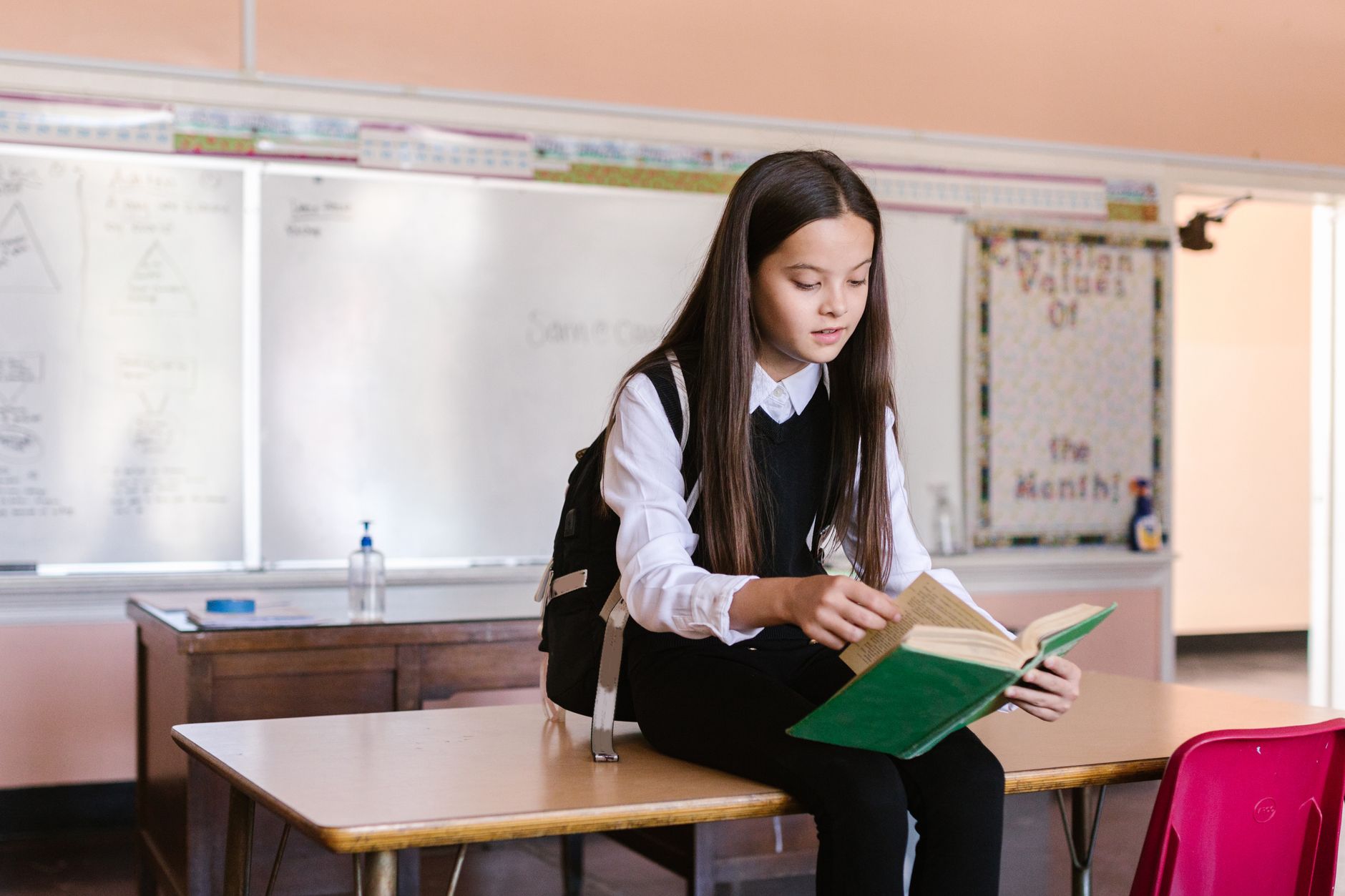
Every teacher and parent knows the moment. You hand a book to a nine-, ten-, or eleven-year-old, and you can see the wall go up before they even open the cover. Maybe reading feels slow and frustrating for them. Maybe they’ve been handed too many books that felt like homework. Maybe they simply haven’t met the right book yet.
Here’s the good news: reluctant readers in upper elementary aren’t usually kids who hate stories. They’re kids who haven’t found stories that respect their time, their humor, and their sense of identity. The right book can change everything — and the titles below are proven winners in classrooms and libraries everywhere.
Why Upper Elementary Is a Make-or-Break Reading Stage
By third through fifth grade, reading shifts from “learning to read” to “reading to learn.” Kids who struggle or feel bored during this transition often start calling themselves “bad readers.” That label sticks — unless a book comes along that makes reading feel like a reward instead of a requirement.
Reluctant readers at this age typically need books that offer:
- Fast pacing — short chapters, quick scenes, and cliffhangers that pull them forward
- High visual support — illustrations, graphic novel panels, or hybrid formats
- Relatable characters — kids who feel real, funny, and flawed
- Respect for their maturity — topics that feel “big kid,” not babyish
- Low intimidation factor — a book they can finish in days, not months
Keep those five criteria in mind as you browse. Every book on this list hits at least three of them.
Graphic Novels and Hybrid Books: The Gateway Reads
Graphic novels are not a “lesser” form of reading. They build comprehension, vocabulary, and inference skills — and for many reluctant readers, they’re the on-ramp back to books. These picks are especially strong:
- New Kid by Jerry Craft — A funny, honest story about being the new kid at a mostly white private school. The graphic format makes heavy topics feel accessible, and the humor lands with every reader.
- Amulet series by Kazu Kibuishi — A sweeping fantasy adventure with stunning artwork. Kids who “don’t like reading” often devour all nine books.
- The Bad Guys series by Aaron Blabey — Short, silly, and packed with visual gags. Perfect for readers who need a confidence boost before tackling longer novels.
- Diary of a Wimpy Kid by Jeff Kinney — The hybrid diary format, cartoon illustrations, and laugh-out-loud humor make this a perennial favorite for a reason.
If your reader finishes one graphic novel and immediately asks for another, you’ve won the hardest battle. Celebrate that, then gently offer a hybrid novel as the next step.
Short, Funny Chapter Books That Build Momentum
Once a reader has some momentum, short chapter books keep it going. Look for books under 200 pages with generous white space and strong voice.
- Sideways Stories from Wayside School by Louis Sachar — Absurd, hilarious, and told in bite-sized chapters. Ideal for reading in short bursts.
- Frindle by Andrew Clements — A clever story about a kid who invents a new word. It’s smart, quick, and makes readers feel like insiders.
- The Notebook of Doom series by Troy Cummings — Monster-of-the-week adventures with illustrations on nearly every page.
- Stink series by Megan McDonald — Judy Moody’s younger brother gets his own funny, fast-paced stories.
Tip for parents and teachers: Let kids choose from a stack of three or four options rather than handing them one book. Choice is one of the strongest motivators for reluctant readers.
High-Interest Novels for Readers Ready for More
Some upper elementary readers are capable of longer books but lack the motivation. These titles offer gripping plots without overwhelming length:
- Wonder by R.J. Palacio — Short chapters told from multiple perspectives. The emotional pull keeps pages turning.
- Holes by Louis Sachar — A mystery, a survival story, and a family curse woven together. The plot is so tight that kids genuinely can’t stop.
- Percy Jackson and the Olympians: The Lightning Thief by Rick Riordan — Mythology, action, and humor. The first chapter alone hooks most readers.
- Because of Winn-Dixie by Kate DiCamillo — A gentler option with short chapters and a deeply lovable dog at its center.
Notice a pattern? Short chapters, strong voice, and a hook on page one. That’s the formula that works for readers who are still deciding whether books are for them.
How to Match a Book to Your Reluctant Reader
Finding the right book isn’t about reading level alone. It’s about interests. A kid who loves Minecraft, soccer, sharks, or jokes will read far more eagerly when the book connects to something they already care about.
Try this simple approach:
- Ask what they like outside of school — hobbies, shows, games, animals.
- Match the format first, topic second — graphic novel, hybrid, or short chapter book.
- Read the first page together — if it doesn’t grab them, try another book without guilt.
- Let them abandon books — finishing a boring book teaches nothing except that reading is a chore.
- Model it — when kids see adults and older siblings reading for fun, they notice.
Also, don’t overlook audiobooks and read-alouds. Listening to a story builds vocabulary and comprehension, and many reluctant readers discover a love for a series through audio before picking up the print version.
Final Thoughts: The Right Book Is Out There
Reluctant readers aren’t broken, and they aren’t lazy. They’re waiting for a book that makes them feel smart, seen, and entertained. Graphic novels, funny chapter books, and high-interest novels give them that experience — often in a single weekend.
Start with one title from this list. Hand it over without pressure. Then watch what happens when a kid realizes reading can actually be fun.
Ready to build a stronger reader? Explore more literacy tips, book lists, and classroom strategies at Alabama Reading — and share this list with a parent, teacher, or librarian who knows a kid ready for their next great book.