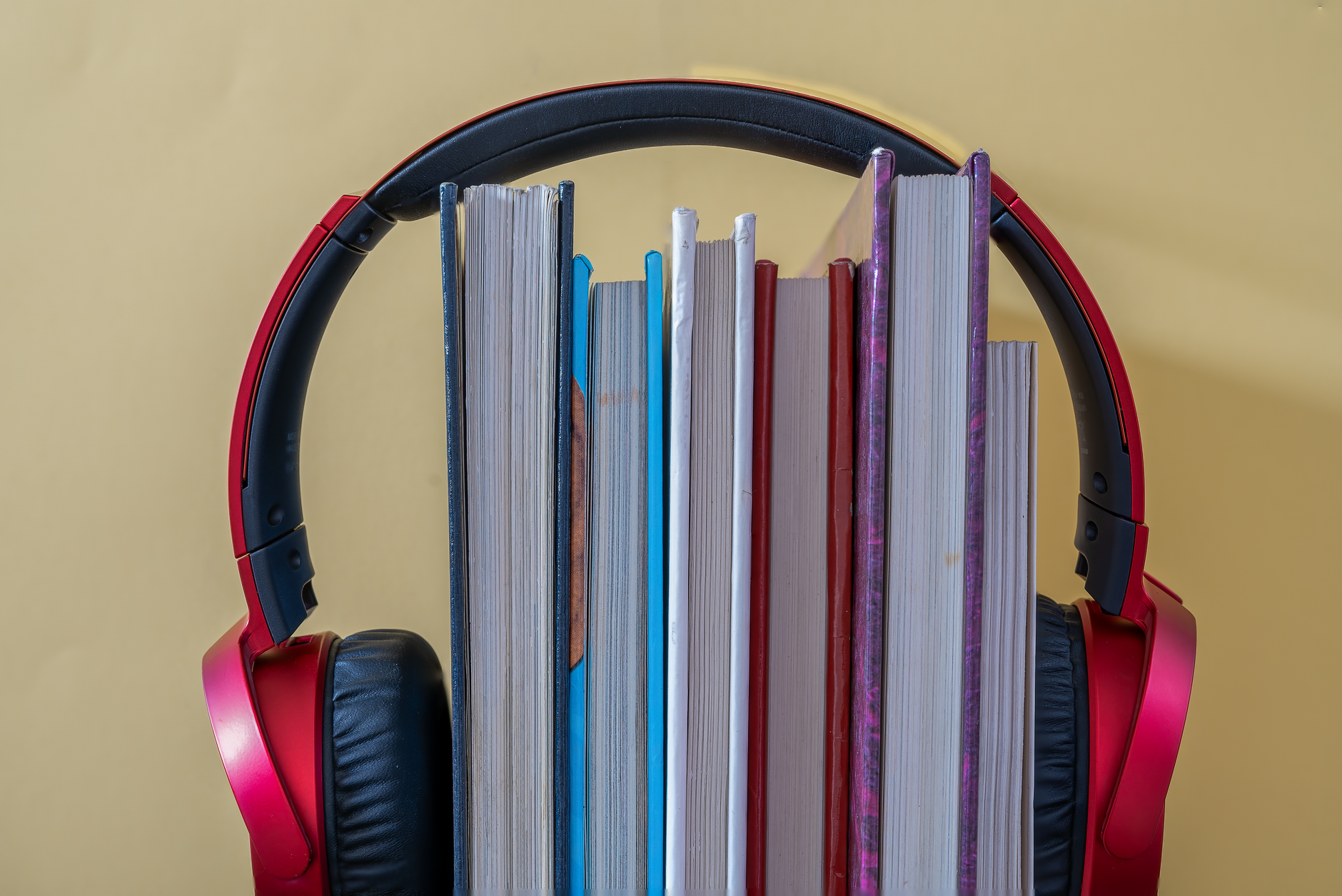
Can listening to a story truly help a toddler flip right into a larger reader? It sounds just about too easy, however a rising physique of research and classroom experience says certain. Audiobooks have moved from being a definite phase accessibility instrument to a mainstream literacy helpful useful resource current in homes, faculties, and public libraries everywhere.
Nonetheless do they genuinely strengthen reading comprehension, or do they merely entertain kids whereas bypassing the laborious work of decoding textual content material? The reply is further nuanced than a straightforward certain or no. On this text, we’ll uncover how audiobooks have an effect on comprehension, the place they help most, and the way in which dad and mother and lecturers can use them correctly.
What Finding out Comprehension Actually Consists of
Sooner than judging whether or not or not audiobooks help, it helps to know what comprehension requires. Finding out is simply not one potential nonetheless two working collectively: decoding (turning printed letters into phrases) and language comprehension (understanding what these phrases suggest).
For lots of youthful youngsters, decoding is sluggish and effortful. When all their psychological energy goes into sounding out phrases, little is left for making sense of the story. That’s the place audiobooks enter the picture in a sturdy methodology.
- Decoding — recognizing phrases exactly and fluently
- Vocabulary — understanding what specific individual phrases suggest
- Background info — connecting textual content material to what a toddler already is conscious of
- Inference — learning between the strains to grasp which implies
Listening comprehension develops before learning comprehension in most youngsters. Audiobooks let kids apply the contemplating side of learning sooner than their decoding talents completely catch up.
How Audiobooks Assist Comprehension
When a toddler listens to a gifted narrator, a lot of points happen immediately. Pronunciation turns into clear, phrasing sounds pure, and emotional tone brings characters to life. These cues may make superior tales further accessible than print alone.
1. They Assemble Vocabulary and Language Patterns
Children who take heed to audiobooks are uncovered to richer vocabulary than they might encounter in regularly dialog. Listening to phrases in context helps them take up which implies, sentence development, and rhythm — all of which feed instantly into learning comprehension later.
2. They Reduce Cognitive Overload
For struggling readers, audiobooks take away the burden of decoding. This frees working memory for understanding plot, characters, and ideas. A child who feels misplaced in a print e-book may out of the blue adjust to the an identical story with ease when listening.
3. They Model Fluent Finding out
Fluent learning sounds straightforward and expressive. Audiobooks show this naturally, educating youngsters how punctuation shapes pauses and the way in which sentences flow into. Over time, this fashions the interior “learning voice” kids develop.
4. They Improve Motivation and Stamina
Longer books can intimidate youthful readers. Audiobooks allow youngsters to get pleasure from chapter books and novels previous their current learning stage, retaining them engaged with tales instead of pissed off by them.
What the Evaluation Says
Analysis evaluating listening and learning comprehension current that for youthful youngsters, the two are typically surprisingly associated. In precise truth, listening comprehension often outpaces learning comprehension until spherical middle faculty, when decoding turns into computerized for a lot of faculty college students.
Evaluation on “ear learning” — pairing audio with print — suggests the strongest benefits come when youngsters adjust to along with the textual content material. This twin methodology reinforces phrase recognition whereas supporting meaning-making.
That acknowledged, audiobooks won’t be a different for reading instruction. A child who solely listens and not at all practices decoding will not improve at decoding. The target is steadiness, not substitution.
Potential Downsides to Watch For
Audiobooks are a instrument, not a magic restore. Used carelessly, they’ll create just some pitfalls worth understanding about.
- Passive listening: If a toddler tunes out or multitasks, comprehension drops sharply.
- Skipping print completely: Audio ought to enhance, not change, time spent learning phrases on an internet web page.
- Too-hard content material materials: A e-book far above a toddler’s language stage may confuse considerably than downside.
- Velocity settings: Faster narration can hurt understanding for youthful listeners.
The new button is intentional use. A child who listens actively, discusses the story, and likewise reads print will obtain primarily essentially the most.
Smart Strategies to Use Audiobooks at Home and College
You do not need a elaborate setup to make audiobooks work. A cellphone, tablet, or library CD participant is enough. What points is the way in which you pair listening with contemplating.
- Study-along intervals: Let your teenager adjust to the printed textual content material whereas listening.
- Pause and predict: Stop at key moments and ask what could happen subsequent.
- Discuss it: Ask about characters, feelings, and surprises.
- Choose just-right books: Determine tales barely above learning stage nonetheless inside listening comfort.
- Mix codecs: Alternate between audiobooks and print to assemble every talents.
Teachers can use audiobooks in literacy amenities, all through transitions, or as scaffolds for English language learners. Librarians can pair audio and print copies to encourage reluctant readers.
The Bottom Line
Audiobooks can genuinely strengthen learning comprehension in youngsters — notably after they assemble vocabulary, model fluency, and in the reduction of the stress of decoding. They don’t seem to be a shortcut spherical learning, nonetheless a bridge in the direction of it. Used thoughtfully alongside print, they open doorways to tales and ideas that will in every other case actually really feel out of attain.
So why not try one this week? Determine an audiobook your teenager will love, seize the matching print copy ought to you may, and listen to collectively. Ask questions, share reactions, and watch how story — heard or be taught — grows a youthful reader’s ideas. The subsequent step is easy: press play and start the dialog.

Education writer and literacy advocate specializing in early reading instruction, K–3 literacy policy, and evidence-based learning strategies. Dedicated to sharing practical insights on the Science of Reading, literacy coaching, and instructional resources to support educators, parents, and communities in improving student reading achievement.